

Table of Contents
Why Cleaning Your Stainless Steel Water Bottle Matters
To be honest, most people always have their stainless steel water bottle with them. It becomes a part of your everyday routine, whether you are travelling, working, or going to the gym. However, a common misconception is that something doesn’t stay clean just because it holds water. In actuality, if you don’t clean your bottle well, it may turn into a haven for bacteria. It sounds bad, doesn’t it? That’s because it is.
Health Risks of Dirty Bottles
Think about it this way—every time you take a sip, bacteria from your mouth transfers into the bottle. Over time, especially in warm environments, these bacteria multiply. Studies have shown that reusable water bottles contain thousands of bacteria if they are not regularly cleaned. It includes harmful microbes like E. coli or mould spores, especially if you leave water sitting for too long.
If you’ve ever wondered why you sometimes feel a weird taste or even mild stomach discomfort after drinking from your bottle, this could be the reason. Keeping your stainless steel water bottle clean isn’t just about hygiene—it’s about protecting your health every single day.
Impact on Taste and Odor
Have you ever smelt something strange when you opened your bottle? That’s a clear sign it needs to be cleaned. But stainless steel water bottles are great because they don’t retain flavours easily, but residues from drinks like coffee, juice, or flavoured water can still build up over time. This buildup affects taste, making even fresh water taste off.
Imagine pouring clean water into a dirty glass—it defeats the purpose. The same logic applies here. A clean bottle ensures your water tastes fresh, crisp, and exactly how it should be.
How Often Should You Clean Your Bottle?
This is one of the most common questions—and the answer might surprise you. Cleaning your stainless steel water bottle shouldn’t be an occasional task; it should be part of your daily routine.
Daily Cleaning Routine
If you’re using your bottle every day (which you probably are), then a quick clean after each use is essential. It doesn’t have to be complicated—just rinse it with warm water and mild soap, give it a quick scrub, and let it dry. This prevents bacteria buildup and keeps things fresh.
Think of it like brushing your teeth. You wouldn’t skip it for days, right? The same goes for your water bottle.
Deep Cleaning Frequency
While daily cleaning keeps things under control, deep cleaning is where the magic happens. You should deep clean your bottle at least once a week. If you use it for anything other than water—like coffee, tea, or protein shakes—then you might need to deep clean it more often.
Deep cleaning helps remove hidden residues, stubborn odours, and bacteria that regular washing might miss. It’s like giving your bottle a reset.
Supplies You Need for Cleaning
Before you start cleaning, let’s talk about what you actually need. The good news? You probably already have everything at home.
Basic Household Items
Cleaning a stainless steel water bottle doesn’t require fancy products. Here are the essentials:
- Warm water
- Mild dish soap
- Baking soda
- White vinegar
- Lemon
These simple ingredients are powerful enough to remove dirt, bacteria, and odours effectively.
Optional Cleaning Tools
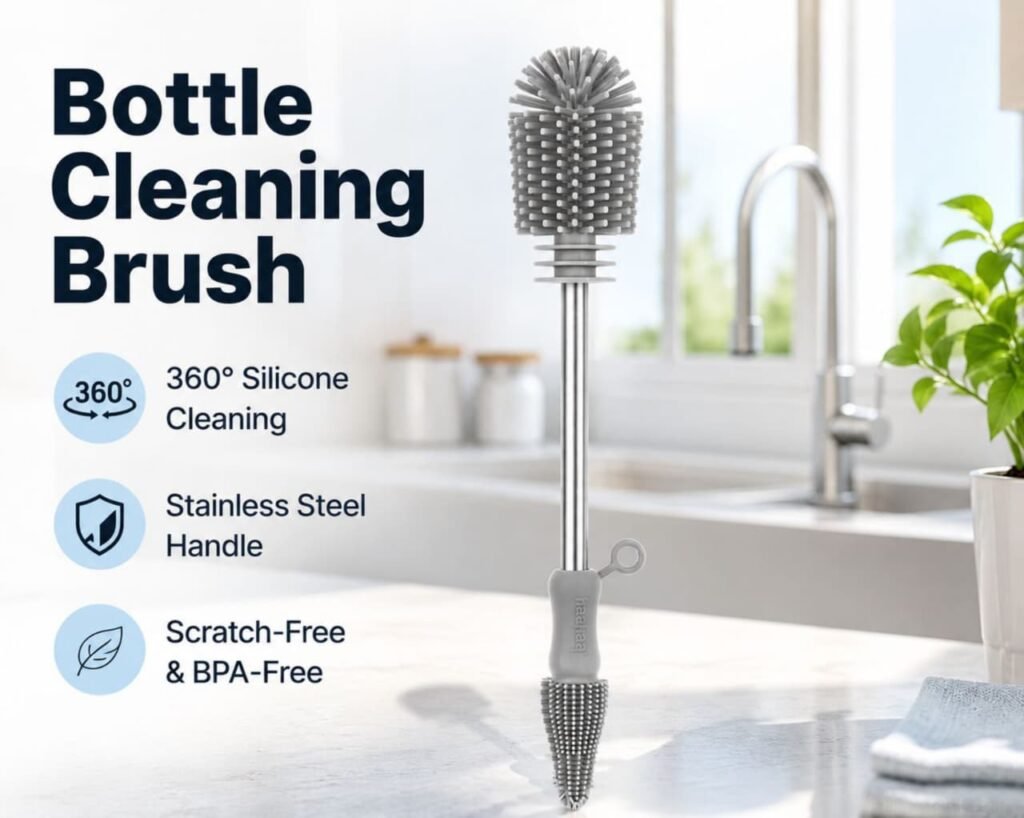
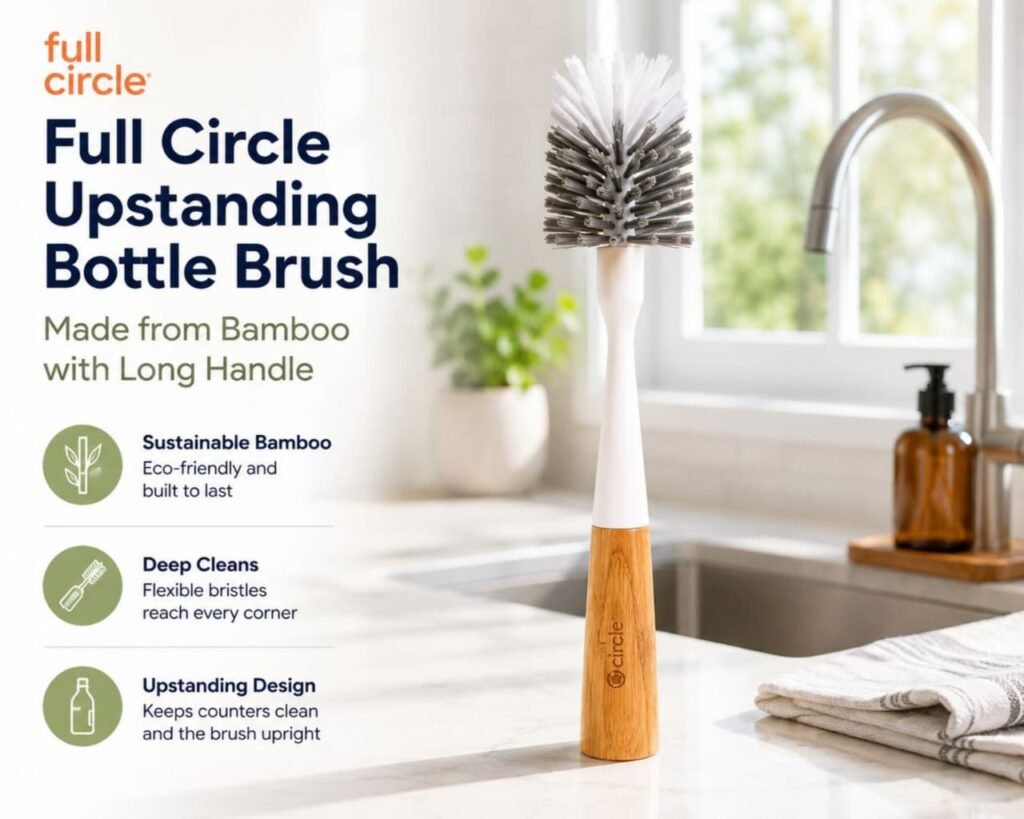
If your bottle has a narrow neck or hard-to-reach corners, tools can make your life easier. Bottle brushes, small scrubbers, or even a toothbrush can help clean tricky areas.
Using the right tools ensures you’re not just cleaning the surface but reaching every corner where bacteria might hide.
Step-by-Step Guide to Daily Cleaning
Cleaning your bottle daily doesn’t have to be a chore. In fact, once you get into the habit, it becomes second nature.
Rinsing and Washing
Start by rinsing your bottle with warm water. Add a few drops of dish soap and use a brush or sponge to scrub the inside. Pay extra attention to the bottom and corners where residue tends to settle.
Don’t forget the exterior—especially if you carry your bottle around frequently. Once you’re done scrubbing, rinse thoroughly to remove all soap.
Drying Properly
Here’s where many people go wrong. Drying is just as important as washing. If you leave your bottle closed while it’s still wet, you’re basically creating the perfect environment for bacteria growth.
Always let your bottle air dry completely with the lid off. Place it upside down on a drying rack so water can drain out easily.
Deep Cleaning Methods for Stubborn Odors
Sometimes, a simple wash isn’t enough—especially if your bottle smells bad or hasn’t been cleaned for a while. That’s when deep cleaning methods come in.
Baking Soda Method
Baking soda is like a natural deodoriser. Add one tablespoon of baking soda to your bottle and fill it with warm water. Let it sit overnight. By morning, the odour should be gone.
Rinse thoroughly and you’ll notice the difference immediately. It’s simple, effective, and chemical-free.
Vinegar Cleaning Method
White vinegar is another powerful cleaning agent. Fill your bottle halfway with vinegar and the rest with water. Let it sit for a few hours.
Vinegar breaks down bacteria and removes stubborn smells. Don’t worry about the vinegar smell—it disappears after rinsing.
Lemon and Salt Scrub
If you prefer a natural and fresh-smelling option, lemon is your best friend. Add lemon juice and a pinch of salt into your bottle. Shake it well and let it sit.
This method not only cleans but also leaves a refreshing citrus scent behind.
How to Clean Bottle Lids and Caps
Most people focus on the bottle and forget the lid. Big mistake. The lid is actually one of the dirtiest parts of your stainless steel water bottle.
Hidden Dirt in Caps
Caps often have small crevices where dirt and bacteria hide. If your lid has a rubber seal, that’s another hotspot for mould.
Ignoring the lid means you’re not really cleaning your bottle completely.
Best Cleaning Techniques
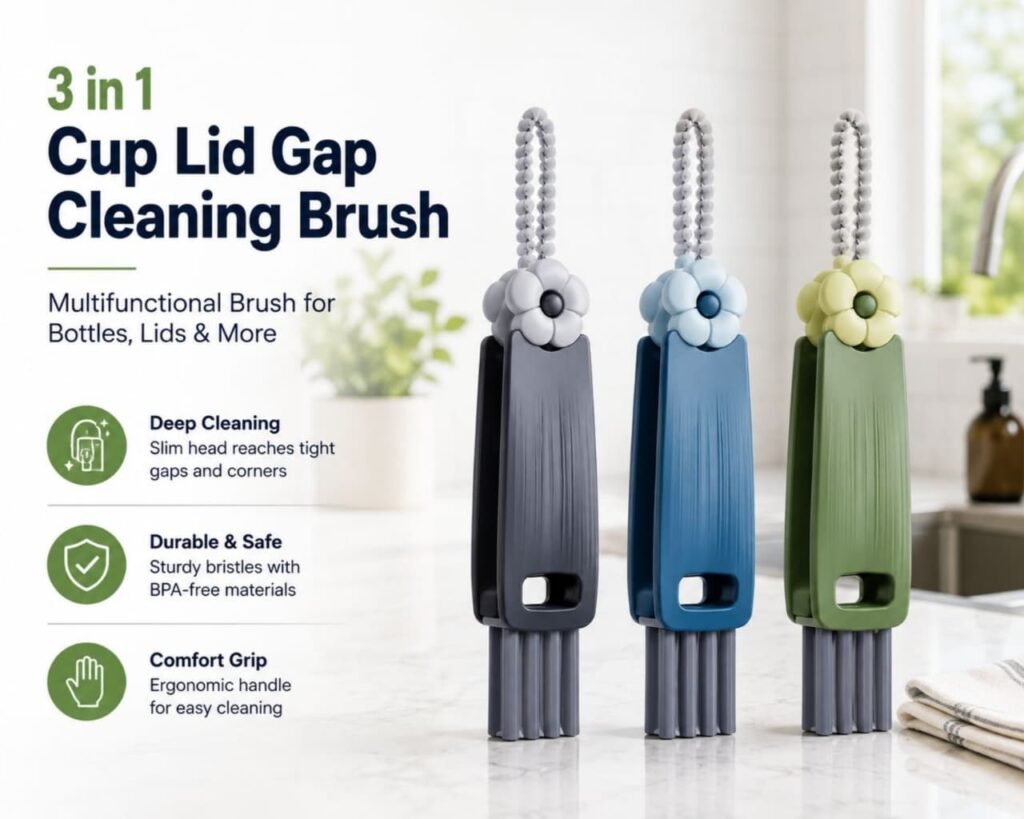
Remove all detachable parts and soak them in warm soapy water. Use a small brush or toothbrush to clean every corner. Rinse thoroughly and let them dry completely before reassembling.
Removing Mold from Stainless Steel Bottles
Finding mould in your bottle can be shocking, but it happens—especially if it’s left closed for long periods.
To remove mould, use a mixture of vinegar and baking soda. Let it sit, scrub thoroughly, and rinse multiple times. If the mould persists, it might be safer to replace the bottle.
Cleaning Bottles with Narrow Neck Designs
Narrow-neck bottles look sleek but can be tricky to clean. Without proper tools, it’s hard to reach the bottom.
Use a long bottle brush or fill the bottle with cleaning solution and shake it vigorously. This helps clean areas that are otherwise inaccessible.
Dishwasher vs Hand Washing
Some bottles are labelled dishwasher-safe, but hand washing is usually the better option. High heat can damage insulation or coatings over time.
Here’s a quick comparison:
| Method | Pros | Cons |
|---|---|---|
| Hand Washing | Gentle, thorough | Takes time |
| Dishwasher | Convenient | May damage bottle |
Common Mistakes to Avoid
Many people think they’re cleaning their bottle properly—but small mistakes can make a big difference. Avoid using bleach, skipping the lid, or storing the bottle while wet.
Even something as simple as not rinsing soap properly can affect taste and safety.
Tips to Keep Your Bottle Smelling Fresh
Keeping your stainless steel water bottle fresh isn’t hard if you stay consistent. Always empty it after use, avoid leaving liquids overnight, and let it air dry.
Adding a slice of lemon occasionally can also help maintain freshness.
Eco-Friendly Cleaning Practices
One of the best things about stainless steel bottles is their eco-friendliness. Using natural cleaners like vinegar and baking soda reduces your environmental impact.
You’re not just cleaning your bottle—you’re also protecting the planet.
Best Storage Practices After Cleaning
Storage matters more than you think. Always store your bottle with the lid off in a dry place. This prevents moisture buildup and keeps bacteria away.
Signs It’s Time to Replace Your Bottle
Even the best stainless steel water bottle doesn’t last forever. If you notice dents, rust, or persistent odours, it might be time for a new one.
Think of it as an investment in your health.
You may also like to read the blog about copper vs steel water bottles.
Conclusion
Cleaning your stainless steel water bottle isn’t complicated, but it does require consistency. With simple daily cleaning and occasional deep cleaning, you can keep your bottle fresh, safe, and long-lasting. It’s a small habit that makes a big difference in your daily life.
FAQs
1. Can I use bleach to clean my stainless steel water bottle?
No, bleach can damage the bottle and leave harmful residues.
2. How do I remove the bad smell completely?
Use baking soda or vinegar and let it sit overnight.
3. Is it safe to put my bottle in the dishwasher?
Only if it’s labelled dishwasher-safe, but hand washing is better.
4. How long should I air dry my bottle?
Until it is completely dry—usually a few hours.
5. Can I clean my bottle without a brush?
Yes, but using a brush ensures deeper cleaning.